When people hear the words “customized product,” they may imagine an expensive machine, a complicated electronic device or something that only a large company can develop.
In reality, customization can be much simpler.
A small tool made to solve a daily problem, a holder designed for a particular desk, or an existing product changed to make it easier to use can all be considered customized products.
Customization begins when a standard product no longer fits a person’s actual needs.
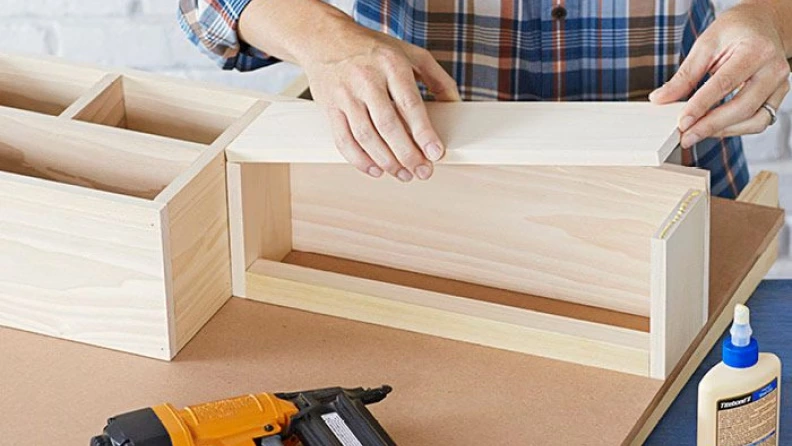
Customization often begins with a simple idea that makes everyday life easier.
A Product Made for a Specific Need
Imagine that your charging cables always fall behind your desk.
You could buy a standard cable holder, but it may not fit the thickness of your desk or the number of cables you use. If you make a holder that fits your desk exactly, that small item is already a customized product.
The same idea applies to many things around us:
-
A storage box made for a particular drawer
-
A phone stand adjusted to a preferred viewing angle
-
A handle added to make an object easier to hold
-
A light designed for a specific working area
-
A small electronic reminder for a daily task
-
A tool created to solve a problem that existing products cannot solve
These items may look simple, but they are customized because they were created around a real person, space or habit.
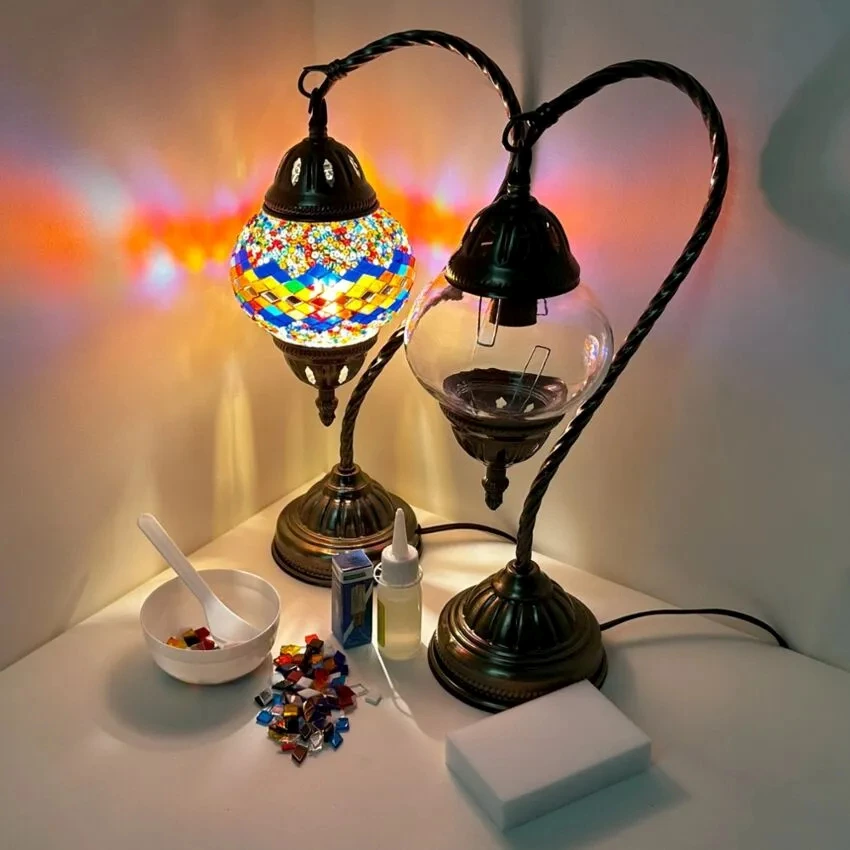
A small object designed around a particular space or habit is also a form of customization.
Customization Does Not Mean Starting from Nothing
A customized product does not always need to be completely new.
Sometimes customization simply means changing an existing product.
A button may be moved to a more convenient position. An enclosure may be made smaller. A product may use a different material, color or control method. A simple electronic function may be added to make it more useful.
Even repairing or modifying an ordinary object can inspire a better product.
The important question is not whether everything was created from the beginning. The important question is:
Was the product made or changed to meet a specific need?
If the answer is yes, it can be considered customized.

Customization can improve an existing product without completely redesigning it.
Small Ideas Can Become Useful Products
Many useful products begin with a very ordinary problem.
Someone may need a safer night light, a more comfortable controller, a better storage solution or a simple device that reminds an elderly family member to take medicine.
At first, the solution may be handmade and used by only one person.
But if other people experience the same problem, that small idea may have the potential to become a real product.
The first version does not need to be perfect. A sketch, handmade sample or simple description can help explain what the product should do and why it is useful.
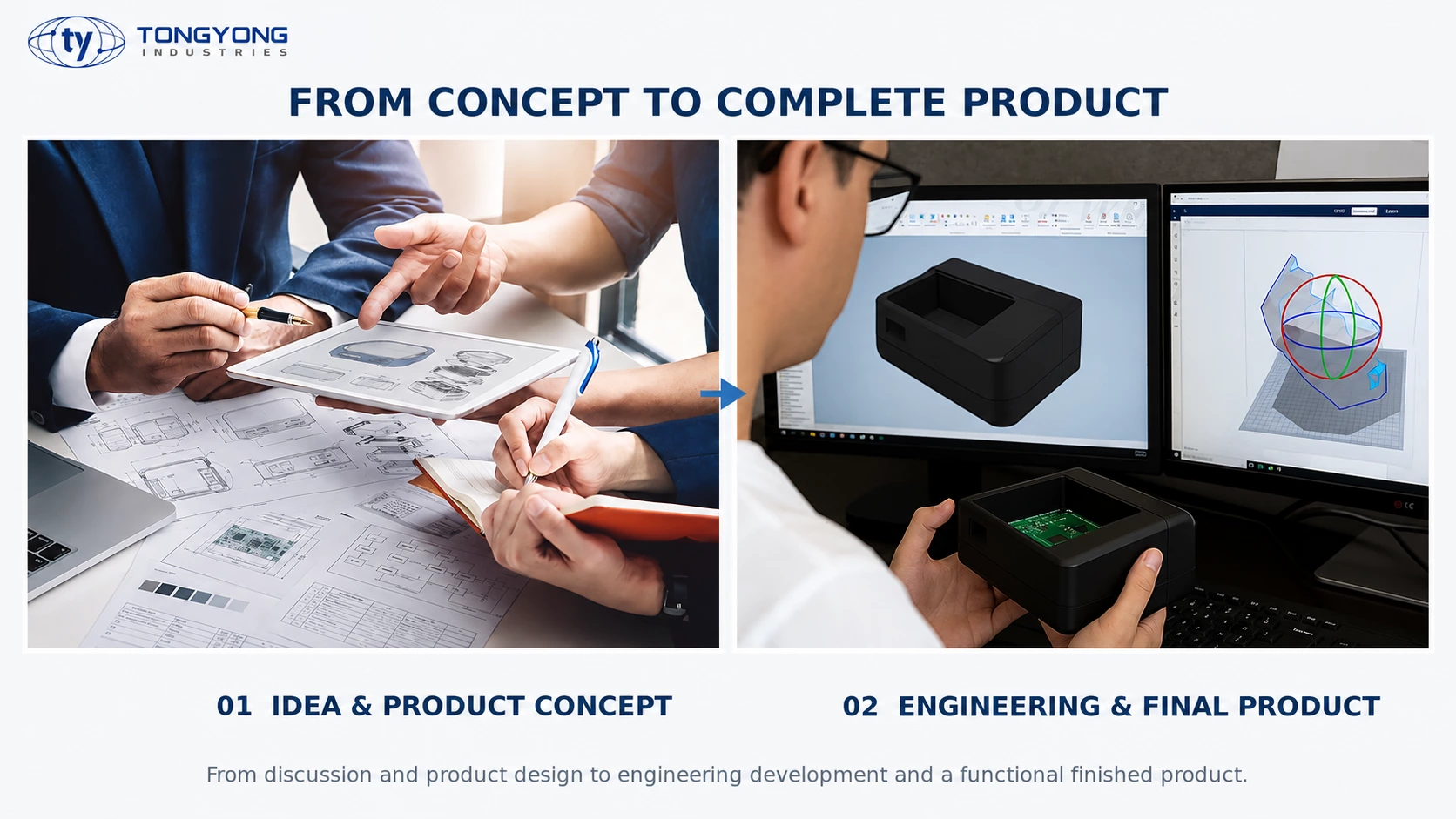
An everyday idea can gradually develop from a simple sample into a practical finished product.
From a Personal Idea to a Complete Product
Turning a personal idea into a manufacturable product requires several questions to be answered:
-
Who will use it?
-
What problem does it solve?
-
What size and shape should it have?
-
Does it require electronics or a PCBA?
-
Should the enclosure be plastic or metal?
-
How will it be assembled, tested and packaged?
This is where product development and manufacturing become important.
At Tongyong Industries, customers can begin with a simple idea, drawing, sample or existing product they want to improve.
Depending on the project, we can help coordinate product evaluation, prototyping, PCBA, enclosures, metal components, assembly, testing and finished-product manufacturing.
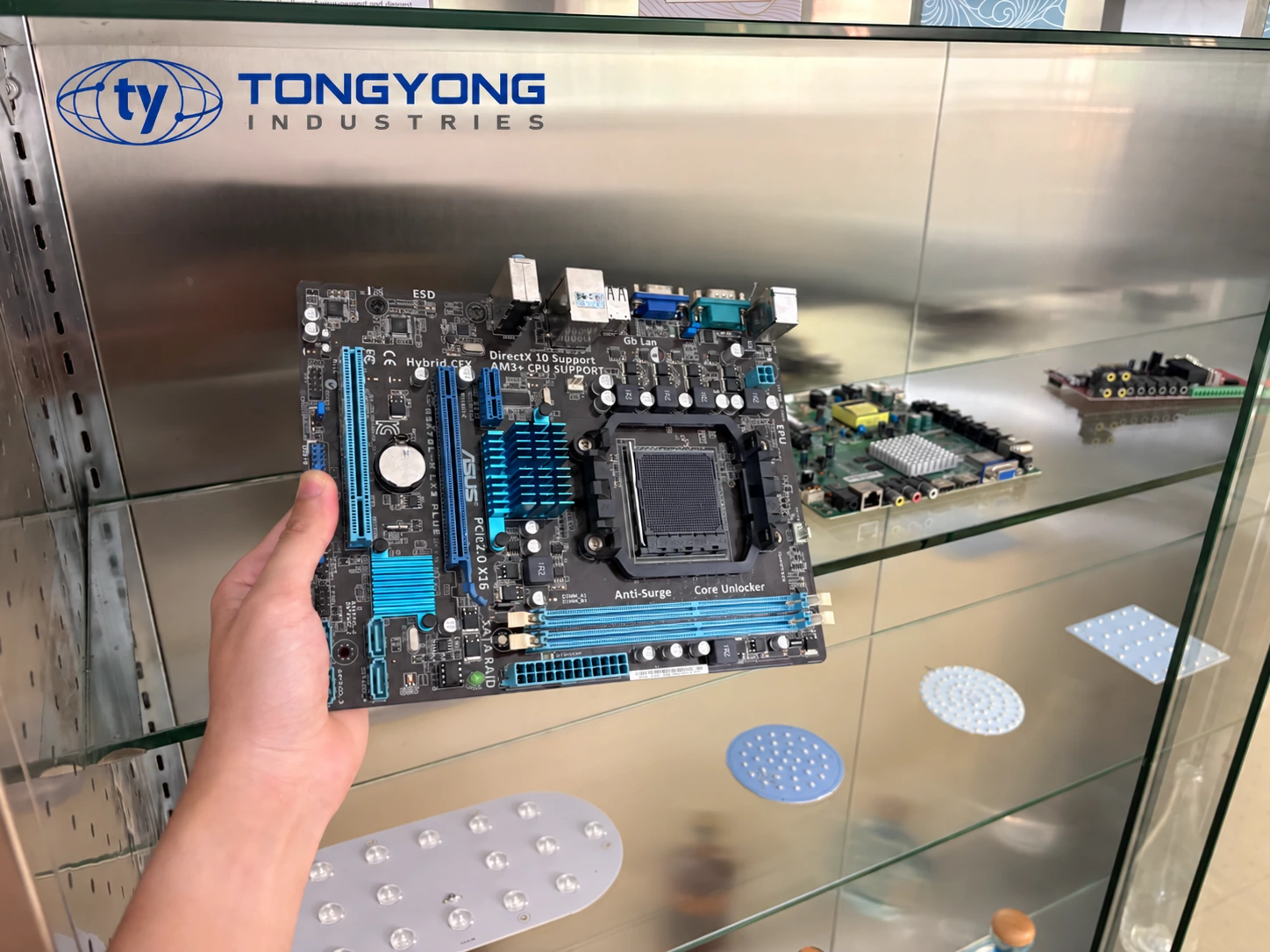
Tongyong Industries helps connect useful everyday ideas with practical product development and manufacturing.
Customization Is About Making Life Fit Better
Customization is not only for large companies or complex products.
It can begin with anyone who looks at an everyday problem and thinks:
“This could work better.”
A handmade tool, a modified household item or a small electronic device created for one person can all be customized products.
Some ideas remain personal solutions. Others may eventually help many people.
The value of customization is not simply that a product is different. Its value is that the product is more suitable for the person using it.
If you have a useful idea, drawing, sample or existing product you would like to improve, you are welcome to discuss it with our team.
Tongyong Industries
From Components to Complete Products