The End of One-Size-Fits-All? Why the Future Will Be More Customized
For decades, mass production followed a simple model: manufacture the same product in large quantities and sell it to as many people as possible.
This model will not disappear, but customer expectations are changing. People increasingly want products that match their habits, appearance preferences, living spaces and functional needs.
The future may therefore contain fewer completely generic products—and more products designed for specific users, brands and applications.
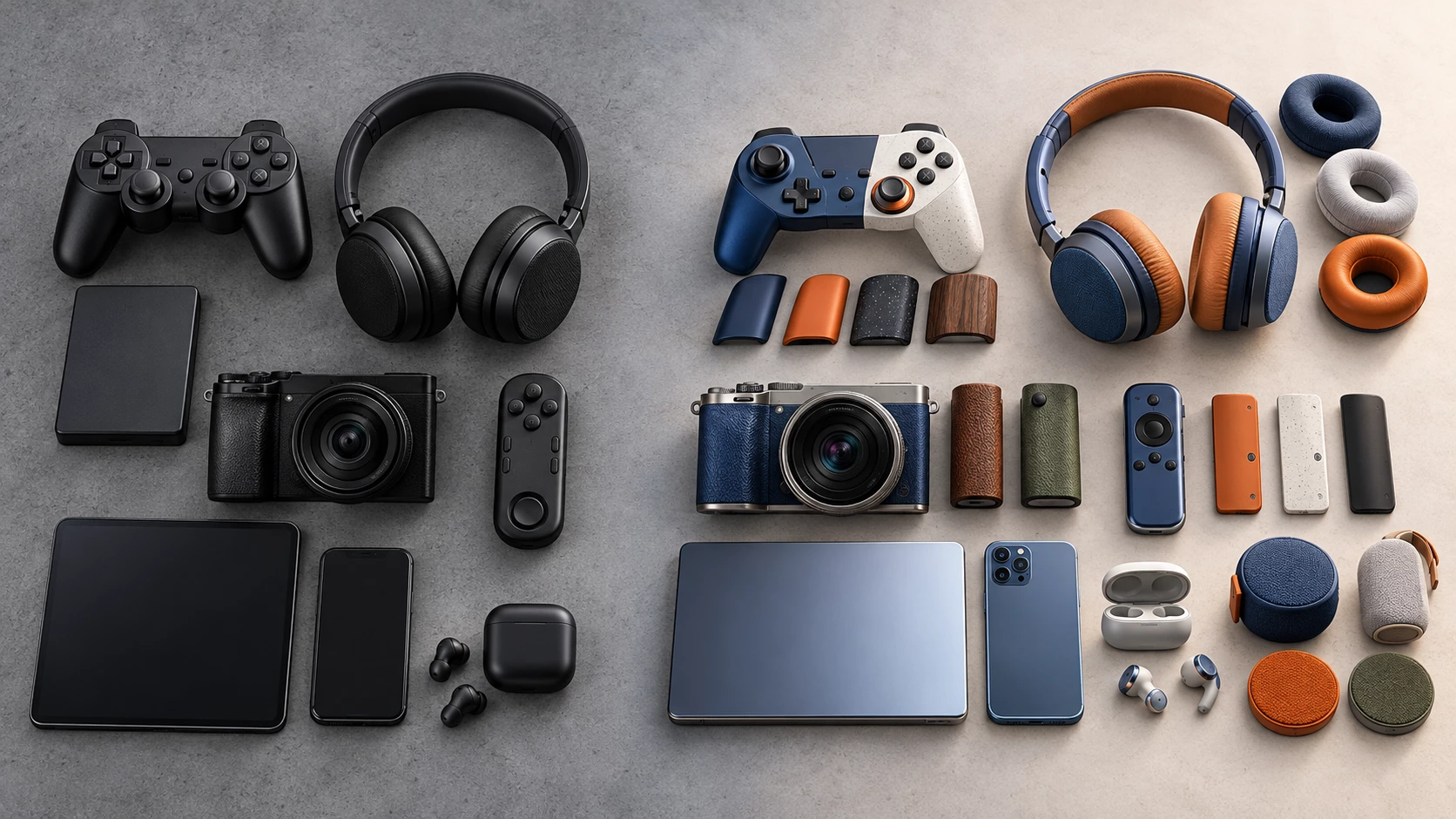
Consumers are moving from identical mass-produced products toward solutions that better reflect their individual needs.
Why Generic Products Are Becoming Less Attractive
A generic product is designed for the average customer. It may be affordable and widely available, but it rarely fits everyone perfectly.
Different customers may prefer different colors, materials, dimensions, controls or functions. Business customers may also require products adapted to their brand, target market or application.
Customization allows one product concept to serve several different groups without rebuilding everything from the beginning.
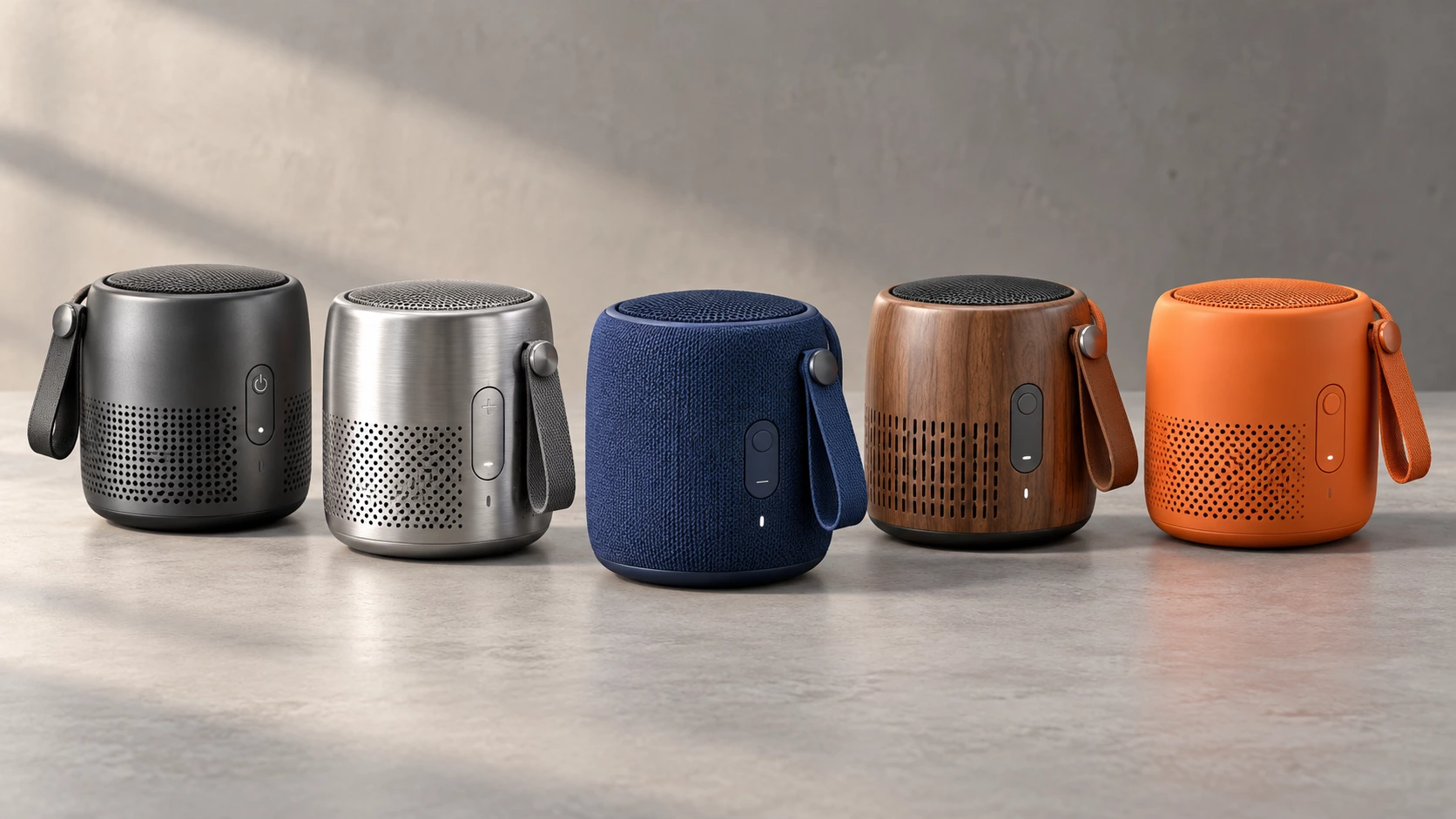
One product concept can be customized through different materials, colors, finishes and appearance details.
Technology Is Making Customization More Practical
In the past, customized manufacturing often required expensive tooling and very large order quantities.
Digital design, modular electronics, rapid prototyping, CNC machining, 3D printing and flexible production systems are changing this situation.
Manufacturers can now evaluate ideas faster, produce prototypes earlier and manufacture smaller batches more efficiently.
Standardized components will remain important, but they will increasingly become the foundation for more personalized finished products.
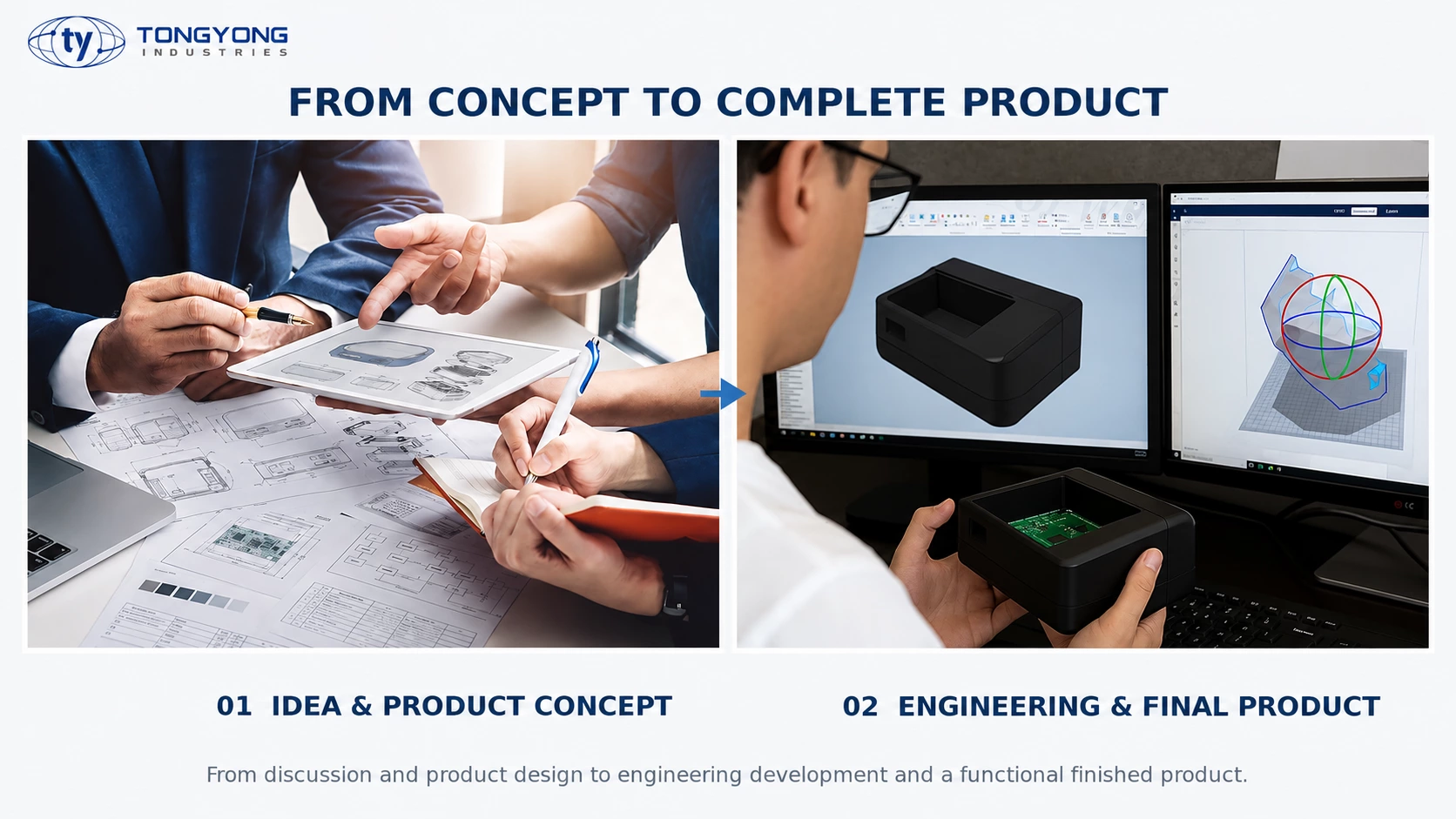
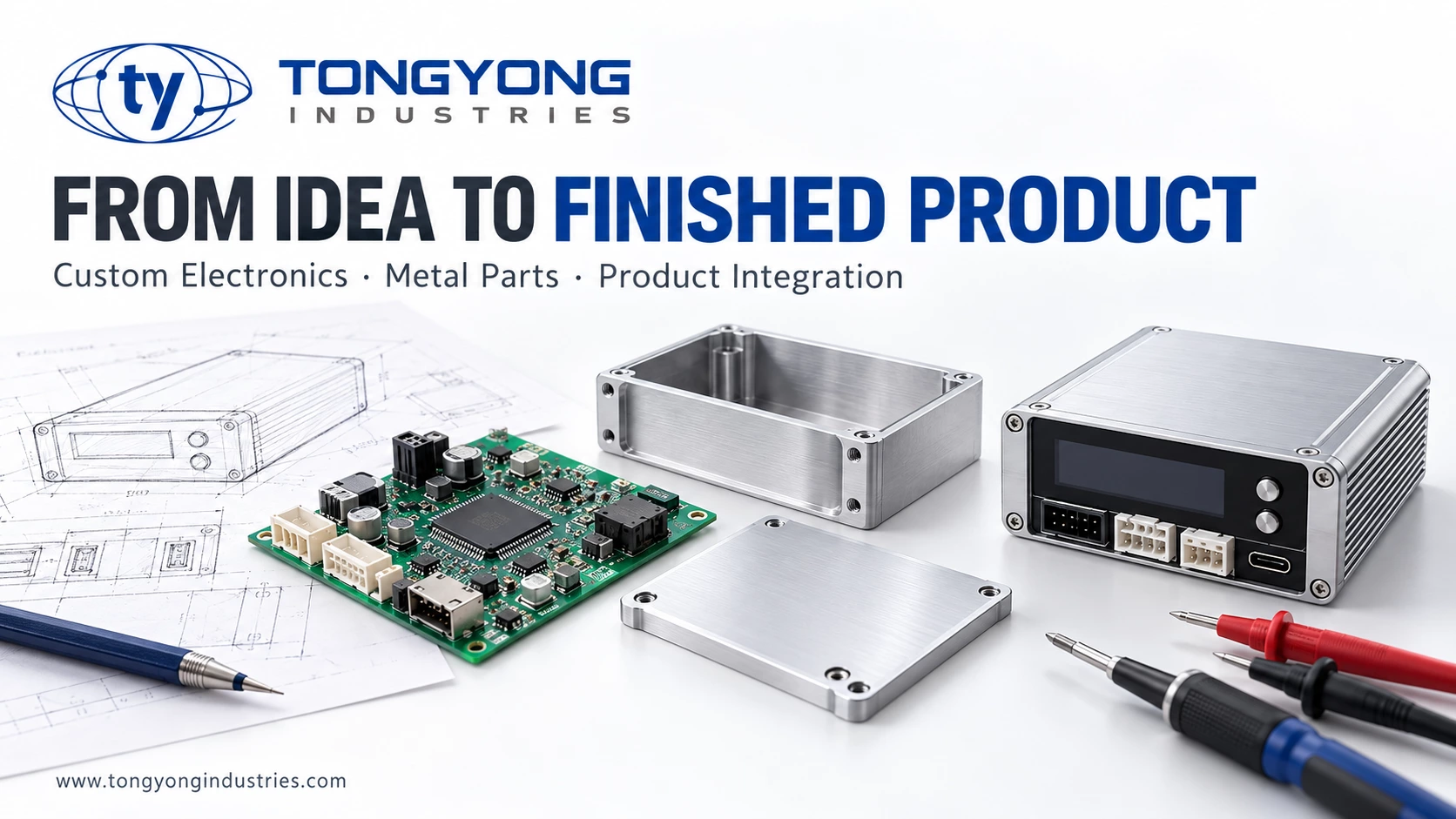
From initial product discussions and concept development to engineering design and a functional finished product.
Personalization Will Become Part of Everyday Life
Personalization will not be limited to luxury products.
Lighting, wearable devices, smart-home products and electronic accessories can be adapted to different users and environments. Personalization will also influence the spaces people live in, with lighting, controls and connected devices designed around different lifestyles.
People will no longer choose products only for what they do. They will also expect products to fit how they live and work.
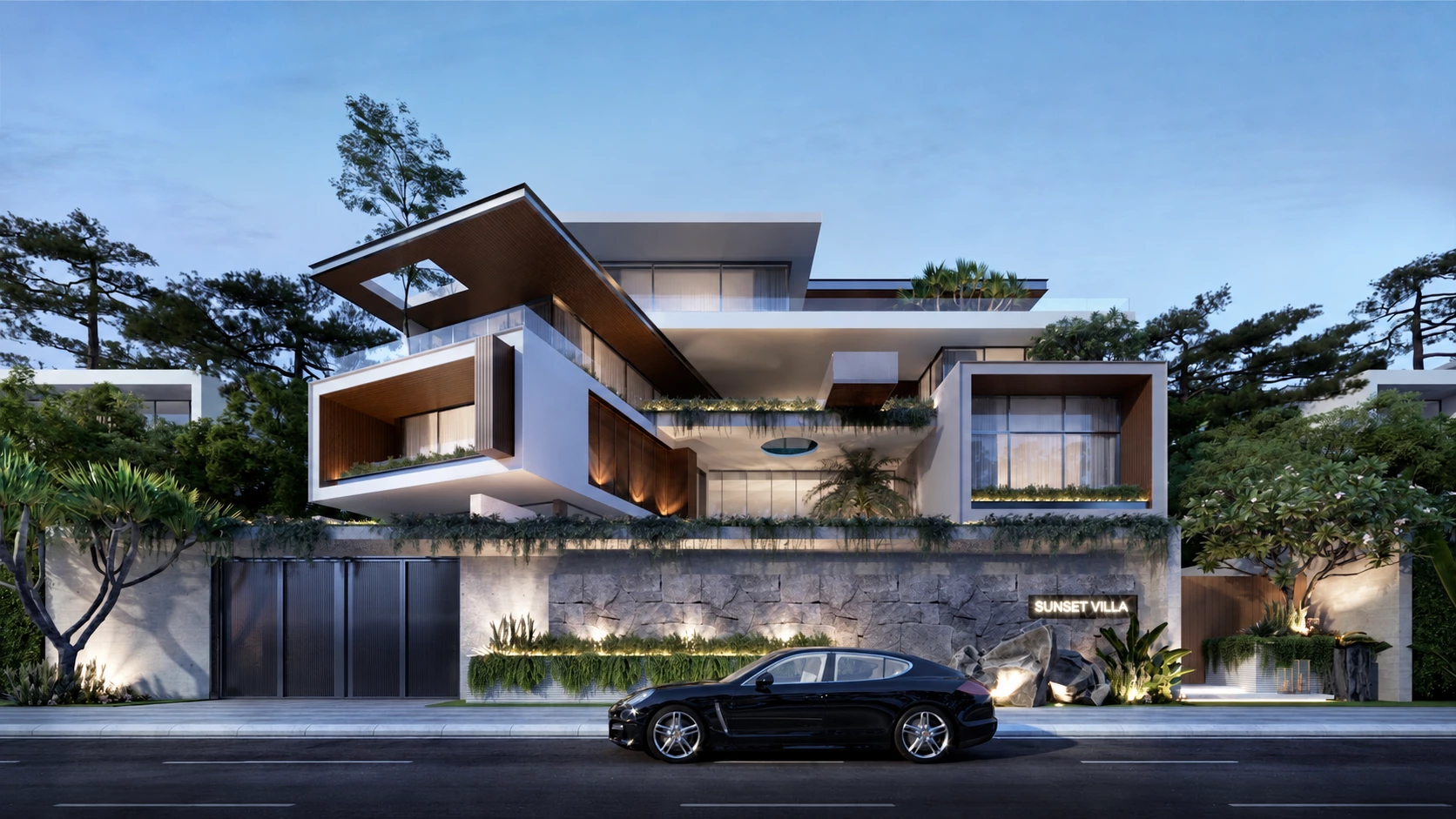
Personalization is extending beyond individual products to the spaces and environments in which people live.
From Customer Requirements to Manufacturing
Real customization involves more than changing a color or adding a logo.
The electronics, PCBA, enclosure, metal components, materials, assembly, testing and packaging must work together as one complete product.
At Tongyong Industries, customers can begin with an idea, drawing, sample or functional requirement. We help coordinate product evaluation, prototyping, electronics, hardware manufacturing, assembly, inspection and finished-product delivery.
With 19 years of manufacturing and international exhibition experience, our team understands the importance of clear communication, practical engineering and reliable production coordination.
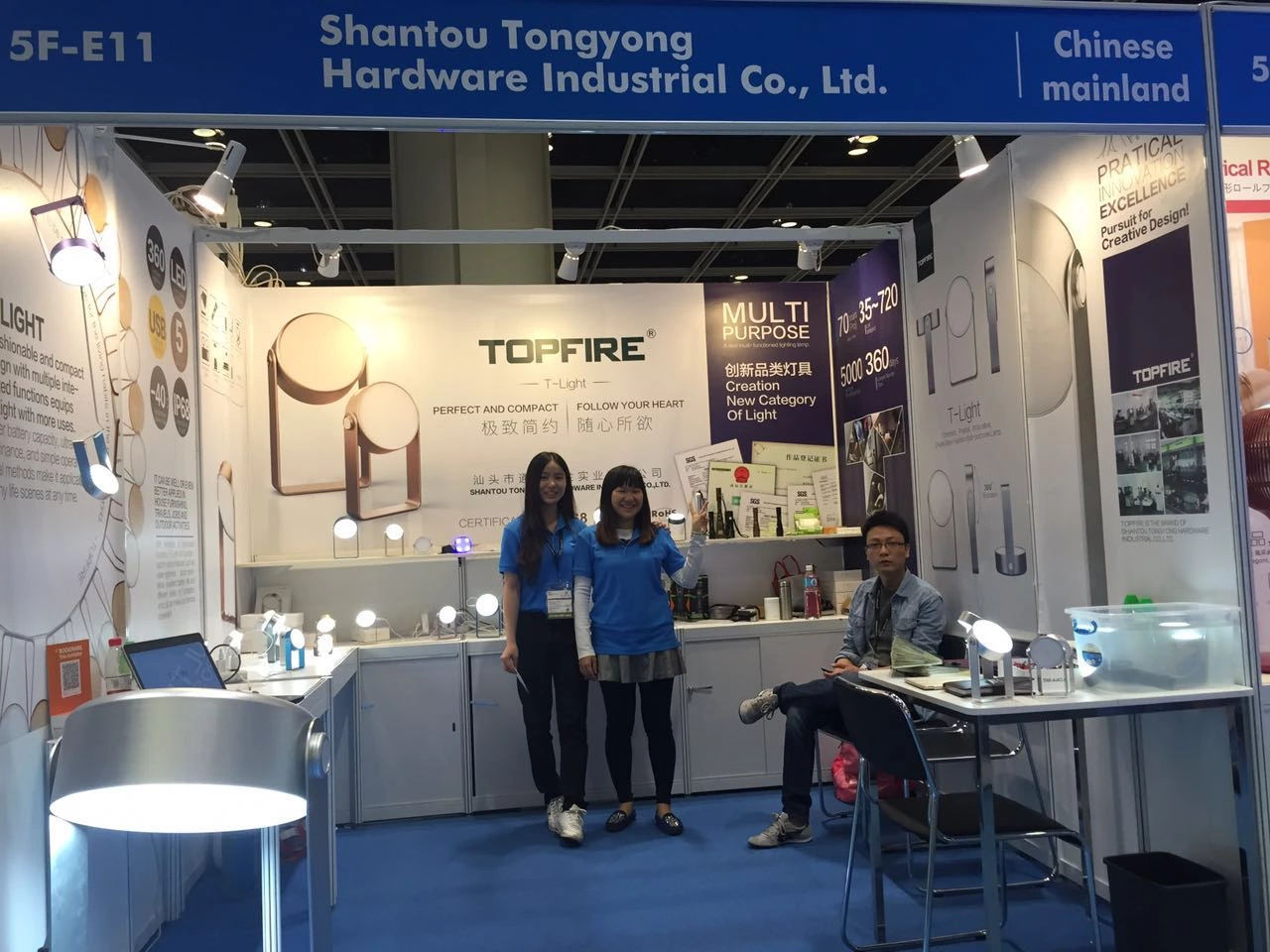
Tongyong Industries has supported international customers through product development, manufacturing and global exhibitions.
A More Personal Future
Generic products will remain important where cost and availability matter most. However, customers will increasingly expect greater choice and products that more closely match their actual needs.
The future of manufacturing is not simply about producing more products.
It is about producing products that are more relevant to the people using them.
If you have an idea, drawing or sample for a customized electronic or hardware product, you are welcome to discuss it with our team.
Tongyong Industries
From Components to Complete Products