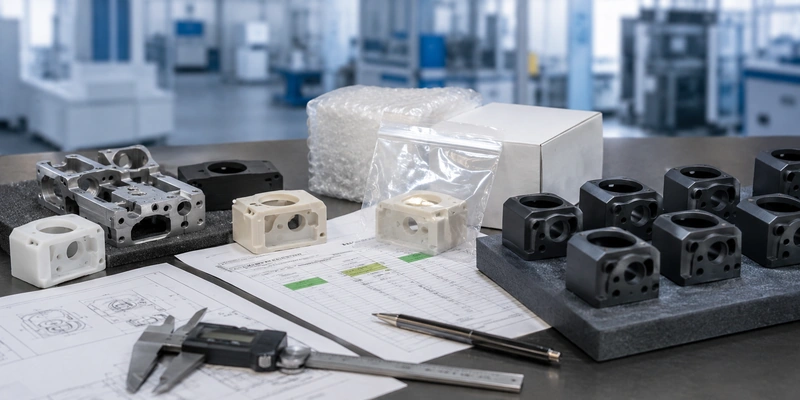
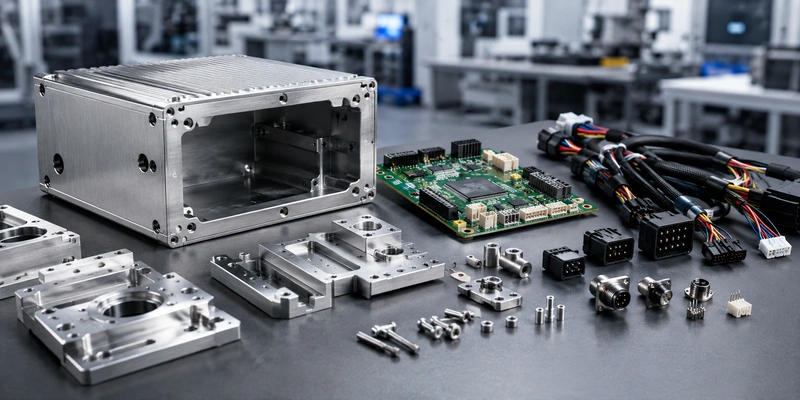
In custom manufacturing projects, many delays do not begin on the production floor. They often start much earlier, when a product design has not yet been reviewed from a manufacturing perspective.
A part or assembly may look complete in drawings or 3D models, but small details related to material selection, wall thickness, tolerance design, assembly structure, surface treatment, or production method can create repeated adjustments later. This is why early DFM review is an important step before sampling or low-volume production begins.
DFM, or Design for Manufacturability, helps customers review whether a product design is suitable for production, whether the selected process is practical, and whether potential risks can be identified before time and cost are spent on repeated trial-and-error.
Why Trial-and-Error Often Starts Before Production
Many product development teams focus first on product function, appearance, or structure. This is reasonable at the concept stage, but manufacturing requirements should be considered before the project moves into sampling.
A product may pass an initial design review but still face issues during production. For example, a machined part may include tolerances that are too tight for its actual function. A sheet metal enclosure may have bending or assembly details that are difficult to control. An aluminum extrusion profile may require die feasibility review before tooling. A PCBA or box-build project may need early discussion of mounting, wiring, heat dissipation, and testing requirements.
When these issues are discovered after samples are made, the project may require redesign, re-quotation, new samples, or changes to the production route. Early DFM review helps reduce these avoidable revisions.
What DFM Review Means in Custom Manufacturing
DFM review is not about changing the customer’s product concept. Its purpose is to review the design from a manufacturing point of view and provide practical feedback before production starts.
In a custom manufacturing project, DFM review may include drawings, 3D files, material requirements, expected quantity, surface finish, application background, assembly method, and inspection requirements. The goal is to check whether the design can be manufactured efficiently, consistently, and in line with the project’s actual needs.
For customers working on metal parts, electronics manufacturing, product enclosures, structural components, or box-build assembly, DFM review can help connect design requirements with real production considerations.
Key Areas Reviewed During Early DFM
Material and Process Feasibility
Material selection directly affects strength, weight, cost, surface treatment, durability, and process selection. A material that works for a prototype may not always be suitable for low-volume or batch production.
During DFM review, the manufacturing team may assess whether the selected material is suitable for CNC machining, sheet metal fabrication, aluminum extrusion, die casting, PCB manufacturing, PCBA assembly, wire harness processing, or box-build assembly. The expected quantity and product stage also influence the most practical process route.
Tolerance and Structural Details
Tolerance design is another important area. Overly tight tolerances can increase cost and production difficulty, while unclear tolerance requirements can create assembly or functional issues.
For mechanical parts, DFM review may focus on critical dimensions, wall thickness, hole position, bending radius, threaded features, surface finish, and assembly points. For electronic or integrated products, it may also include connector location, mounting points, clearance, cable routing, and heat dissipation.
Prototype and Production Transition
A prototype that works once is not always ready for stable production. Prototype manufacturing often allows more manual adjustment, but production requires repeatability.
Early DFM review helps identify what should be improved before moving from prototype to low-volume production or mass production. This may include process optimization, inspection planning, packaging requirements, assembly sequence, and production documentation.
How Early DFM Review Supports Customers
Reducing Repeated Redesign
One of the main benefits of DFM review is reducing unnecessary redesign. When potential production risks are identified early, customers can make changes before tooling, sampling, or batch manufacturing begins.
This helps reduce repeated sample rounds and improves the efficiency of the product development process.
Improving Communication Between Teams
Custom manufacturing projects often involve product designers, engineers, purchasing teams, manufacturing teams, quality teams, and suppliers. If these teams do not share the same understanding of the project requirements, delays can occur.
DFM review creates a clearer communication basis. Drawings, materials, quantities, tolerances, assembly requirements, and application conditions can be reviewed together before production starts.
Supporting Smoother Production Planning
Manufacturing is not only about making one part. It also includes process planning, inspection, surface treatment, assembly, packaging, and delivery coordination.
By reviewing manufacturability early, customers can better understand which process is suitable, which details require confirmation, and what information should be prepared before production begins.
How Tongyong Industries Supports DFM Review
Tongyong Industries supports global B2B customers with engineering-oriented communication and custom manufacturing coordination across metal parts, electronics manufacturing, product enclosures, structural components, and box-build assembly.
Our support focuses on manufacturability review, process discussion, material and structure evaluation, quality control, and production coordination. For new product development or customized production projects, early review can help customers move forward with clearer technical direction and fewer avoidable revisions.
We work with customers to understand drawings, product requirements, application background, and production expectations so that the project can be reviewed from both engineering and manufacturing perspectives.
Information to Share Before Starting a Review
To make an early DFM review more effective, customers are encouraged to provide relevant project information at the beginning of communication.
Useful information may include product drawings, 3D files, material requirements, expected quantity, surface finish, application background, assembly requirements, target delivery schedule, and any functional or testing requirements.
Clear project information helps the manufacturing team review feasibility more accurately and provide more practical feedback.
For custom manufacturing projects, early DFM review is not an extra step. It is a practical way to reduce uncertainty, improve communication, and support a smoother transition from design to production.