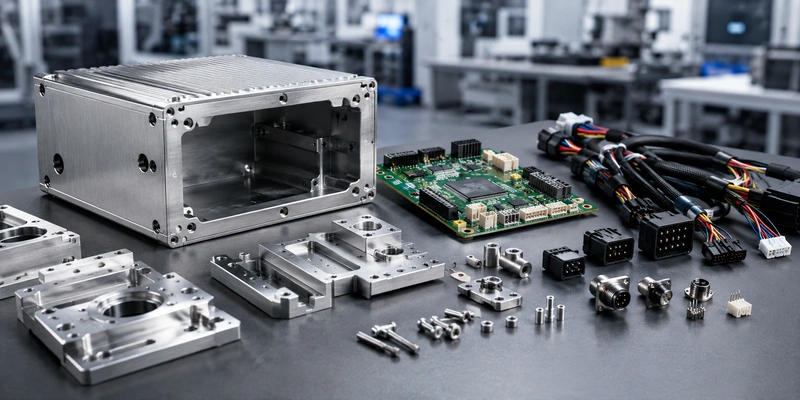
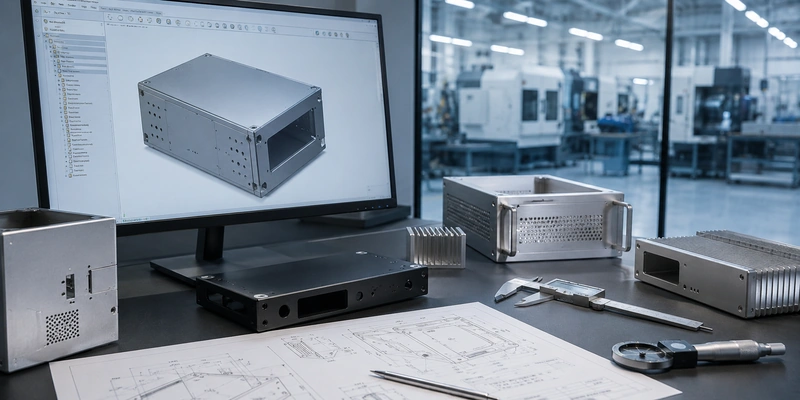
A successful prototype is an important milestone, but it does not always mean the product is ready for low-volume production.
A prototype may prove the product concept, appearance, or basic function. However, low-volume production requires more stable materials, repeatable processes, clear inspection requirements, controlled assembly steps, and practical packaging arrangements.
Before moving from prototype samples to low-volume production, customers should review several key areas to reduce avoidable changes and improve manufacturing readiness.
Why a Working Prototype Is Not Always Production-Ready
Prototype development and production preparation are different stages. A prototype may be made with more manual adjustment, flexible processing, or temporary assembly methods. Low-volume production requires better consistency.
If a product moves into low-volume production too early, the project may face repeated changes in material, structure, tolerance, surface treatment, assembly, inspection, or packaging.
This does not mean the prototype has failed. It means the product needs to be reviewed from a production perspective before more units are made.
Design Checks Before Low-Volume Production
Confirm Which Design Details Are Fixed
Before starting low-volume production, customers should confirm which parts of the design are final and which parts may still change.
Changes to dimensions, materials, mounting positions, surface treatment, or assembly structure can affect process planning, cost, inspection, and delivery coordination. If key design details are still uncertain, it may be better to complete another review before production begins.
Clear design status helps the manufacturing team understand whether the project is ready for production or still in the development stage.
Review Critical Dimensions and Tolerances
Tolerances should match the actual function of the part or assembly. If all dimensions are specified too tightly, production cost and difficulty may increase. If important dimensions are not controlled, assembly or product function may be affected.
Before low-volume production, drawings should clearly identify critical dimensions, functional surfaces, mounting features, and inspection points.
For integrated products, tolerance review may also include enclosure fit, PCBA mounting, connector alignment, cable routing, and final assembly requirements.
Check Assembly and Functional Requirements
Assembly requirements should be reviewed before production starts. This includes screw positions, fastening methods, connector access, cable routing, module installation, labeling, functional testing, and maintenance access.
A product that can be assembled manually in a prototype stage may still need improvement for repeated production. Reviewing assembly requirements early helps reduce production interruptions and rework.
Material and Process Checks
Material Availability and Performance
Material selection affects product strength, weight, appearance, corrosion resistance, thermal performance, electrical performance, and processing method.
A material used for a prototype may not always be suitable for low-volume production. Before production begins, customers should confirm whether the selected material is available, stable, and suitable for the application.
For metal parts, material selection may influence CNC machining, sheet metal fabrication, aluminum extrusion, die casting, welding, polishing, anodizing, coating, or other surface treatments. For electronics or box-build projects, materials may also affect insulation, heat management, durability, and assembly.
Process Suitability for the Target Quantity
The manufacturing process should match the target quantity and product stage. A process suitable for one prototype may not be the best option for low-volume production.
For example, CNC machining may be suitable for prototypes and certain low-volume parts, while sheet metal fabrication, aluminum extrusion, die casting, or tooling may become more suitable depending on the structure and quantity. For electronic products, PCB manufacturing, PCBA assembly, wire harness processing, and box-build assembly should be reviewed together with the mechanical structure.
Process suitability should be discussed before production planning begins.
Surface Treatment and Appearance Requirements
Surface treatment and appearance requirements should be confirmed before low-volume production. Color, texture, corrosion resistance, wear resistance, surface protection, and cosmetic standards may all affect process selection and inspection.
For metal parts and product enclosures, surface treatment requirements should be clearly defined in drawings or project notes. For products with visible exterior surfaces, packaging should also be considered to reduce damage during handling and transportation.
Quality and Inspection Checks
Define Inspection Points Before Production
Inspection requirements should be defined before production starts. This may include dimensional inspection, material checks, surface inspection, functional testing, assembly inspection, and packaging checks.
For custom manufacturing projects, inspection should focus on the dimensions and features that matter most to product function and assembly. Clear inspection points help both the customer and manufacturing team align expectations.
Avoid Unclear or Overly Tight Requirements
Unclear requirements can cause disputes or repeated confirmation during production. Overly tight requirements can increase cost without improving product performance.
Before low-volume production, customers should review whether tolerances, surface standards, testing requirements, and packaging expectations are practical for the product’s application and manufacturing process.
Balanced requirements help improve production efficiency and quality control.
Packaging and Delivery Preparation
Packaging should not be left until the final stage. It should protect the product during transportation and be suitable for the product structure, surface finish, weight, and destination requirements.
Parts with special surfaces, sharp edges, fragile components, electronic assemblies, or assembled modules may require specific packaging methods. Packaging should also support labeling, inspection, and handling requirements.
For low-volume production, practical packaging planning helps reduce damage risk and supports smoother delivery coordination.
How Tongyong Industries Supports the Transition
Tongyong Industries supports customers from product development and prototyping to low-volume production and production coordination.
Our manufacturing support covers metal parts, electronics manufacturing, product enclosures, structural components, wire harnesses, and box-build assembly. We focus on engineering communication, process discussion, quality control, and manufacturing coordination throughout the project process.
For customers preparing to move from prototype to low-volume production, we can help review drawings, materials, process options, assembly requirements, inspection expectations, and packaging considerations.
Information to Share Before Low-Volume Production
Before starting low-volume production, customers are encouraged to share updated drawings, material requirements, target quantity, application background, inspection expectations, assembly requirements, surface treatment requirements, and packaging needs.
Clear information helps the manufacturing team review feasibility, identify potential risks, and prepare a more practical production path.
A successful transition from prototype to low-volume production depends on more than making additional samples. It requires design stability, suitable materials, practical processes, clear inspection standards, and coordinated production planning.